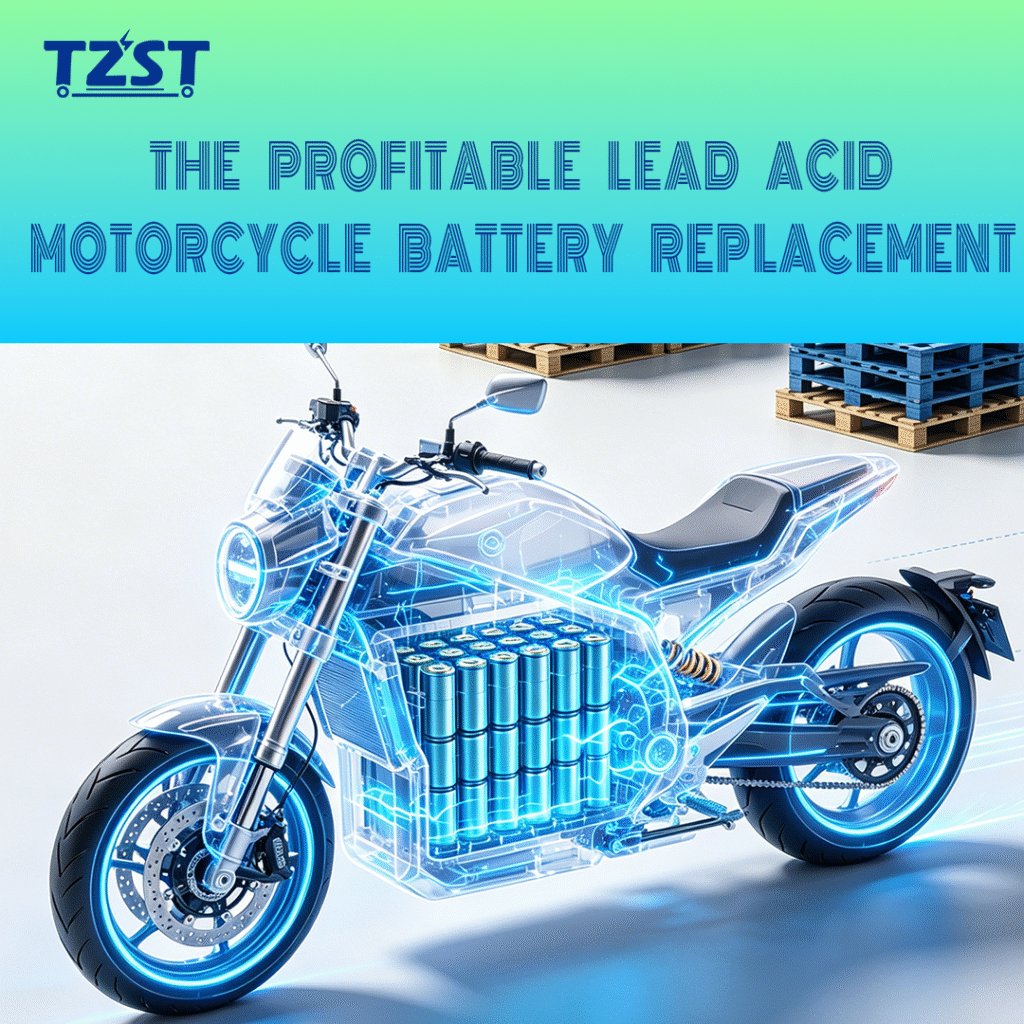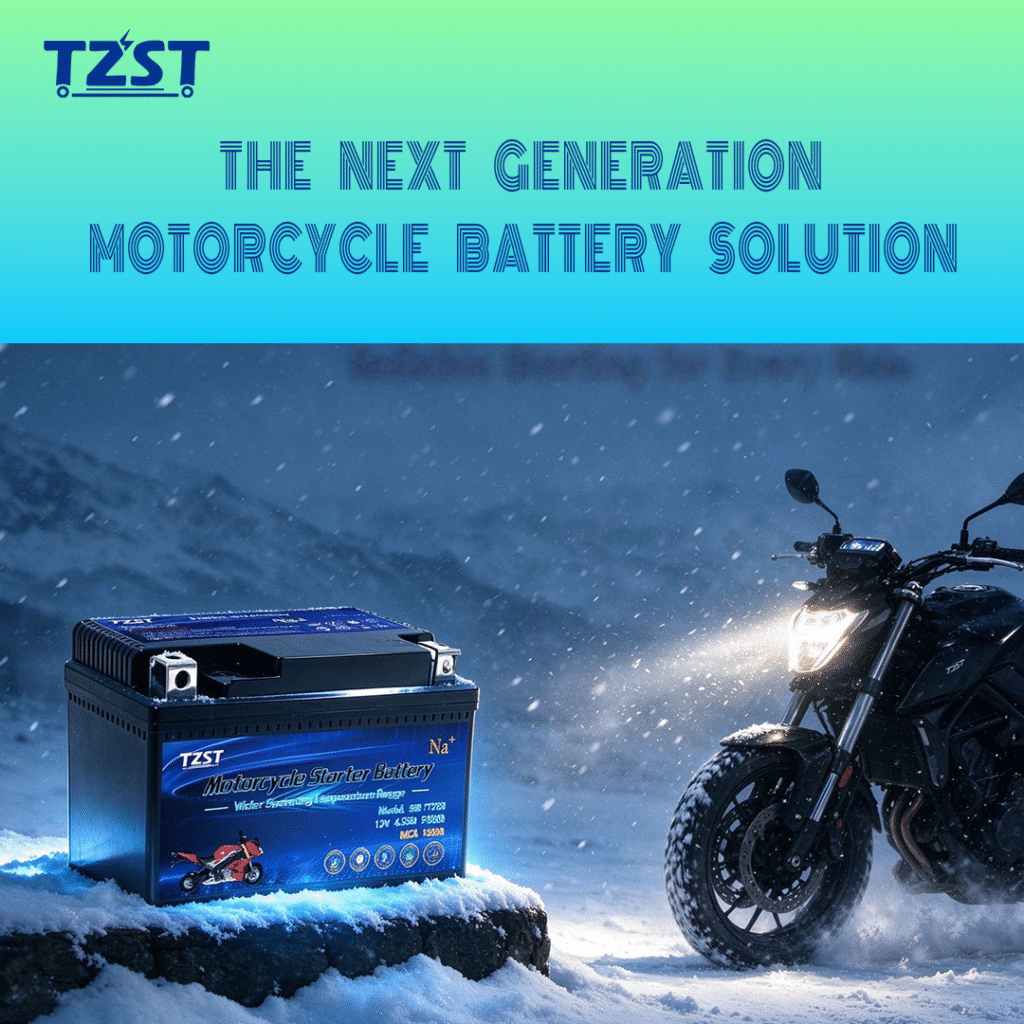
The global two-wheeler power supply market is undergoing a fundamental shift, as dealers and supply chain operators across all tropical regions seek more reliable, long-lasting, and cost-effective solutions to replace outdated traditional lead acid motorcycle batteries. As a high-performance next-generation energy solution, sodium ion motorcycle batteries have quickly become the most viable lead acid motorcycle battery replacement, delivering stable and unmatched performance in extreme high-heat and high-humidity tropical environments. More importantly, this innovative battery technology creates sustainable new revenue streams and lower operational risks for global two-wheeler battery supply chain partners.
According to the authoritative 2025 Global Motorcycle Battery Industry Report, regional demand for sodium ion motorcycle batteries across tropical markets is set to grow 132% year-over-year. This explosive growth rate is 3.7 times higher than any other mainstream motorcycle battery technology, marking an irreversible industry transition. The rapid market adoption is mainly driven by the outstanding performance advantages of sodium ion batteries over conventional lead acid alternatives, as well as accessible data-driven market insights that greatly reduce inventory risks for battery sourcing teams.
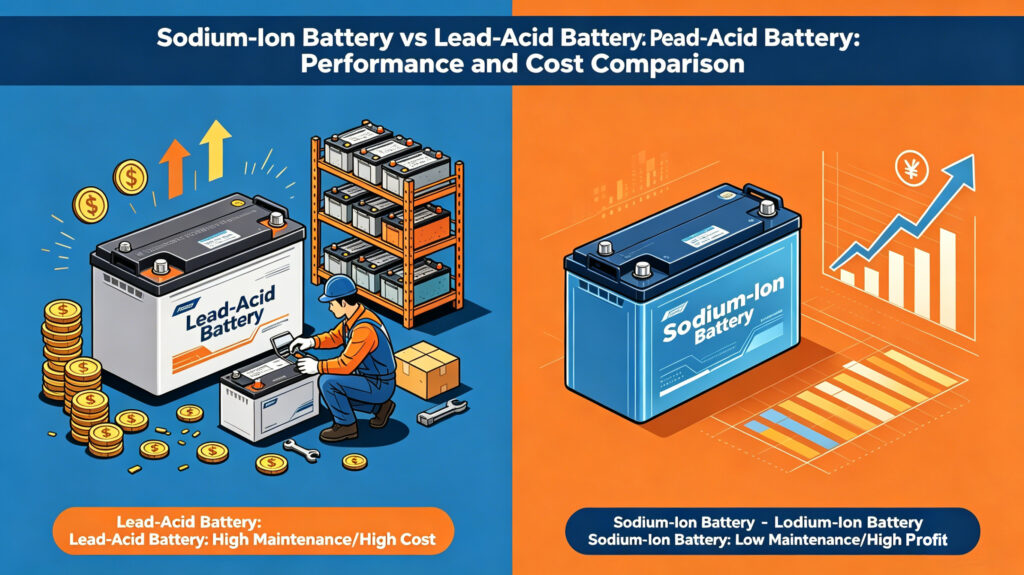
Next Generation Motorcycle Battery Technology Outperforms Lead Acid In High Humidity, High Temperature Conditions
Tropical climate regions feature the harshest operating conditions for two-wheeler power batteries worldwide. These areas maintain average annual temperatures between 28℃ and 38℃, with relative humidity exceeding 75% for more than eight months every year. Such harsh environmental conditions drastically accelerate the aging and degradation process of standard lead acid motorcycle batteries, resulting in shortened service life, frequent battery failures, and rising customer complaints among end users.
How Tropical Climate Conditions Degrade Traditional Lead Acid Battery Performance
Third-party professional lab testing conducted by the International Automotive Components Association in 2024 verified the poor durability of lead acid motorcycle batteries in tropical climates. The test data shows that lead acid motorcycle batteries working in a constant 35℃ high-temperature environment lose 48% of their total capacity after only 12 months of daily regular use. In comparison, lead acid batteries only lose 22% capacity in mild 22℃ temperate climates.
This severe and rapid capacity degradation directly causes higher product return rates, more frequent battery replacement cycles, and poor end-user experience. Motorcycle owners struggle with unstable engine starting performance during peak summer heat, which is the most common pain point of lead acid batteries in tropical areas. Furthermore, traditional lead acid motorcycle batteries are highly susceptible to sulfation and electrolyte leakage under persistent high-humidity conditions. These common faults increase daily maintenance workload for motorcycle repair shops and further reduce overall customer satisfaction. For decades, the tropical two-wheeler battery market has lacked an affordable, high-performance lead acid replacement solution — a market gap perfectly filled by advanced sodium ion motorcycle battery technology.
Performance Metrics That Make Sodium Ion Motorcycle Batteries Stand Out
Engineered specifically to solve the inherent defects of lead acid batteries in tropical climates, sodium ion motorcycle batteries cover all pain points for end users, repair shops, and battery suppliers. Featuring a wide operating temperature range of -30℃ to 55℃, these premium batteries retain 92% of their original rated capacity even under continuous 40℃ extreme heat, completely avoiding the sharp capacity loss that plagues traditional lead acid motorcycle batteries.
In terms of service lifespan, sodium ion motorcycle batteries achieve over 2100 full charge-discharge cycles, which is 3.2 times higher than the 650-cycle average of standard lead acid batteries. This significant upgrade allows end users to replace their motorcycle batteries every 3+ years, instead of the frequent 12–18 month replacement cycle of lead acid units. Additionally, the fully sealed and encapsulated structural design eliminates electrolyte leakage and sulfation risks entirely, even in 90% ultra-high relative humidity environments.
This maintenance-free design cuts down after-sales maintenance costs for both end users and repair service teams. A 2025 Southeast Asia Motorcycle Aftermarket Report reveals that 62% of local motorcycle repair shops plan to prioritize sodium ion motorcycle battery SKUs over traditional lead acid products in the next 12 months, proving the strong market recognition of this next-generation battery solution.
Key Insights From 2025 Sodium-Ion Battery News For Inventory Planning
Latest 2025 sodium-ion battery industry news and authoritative market data confirm that the replacement of lead acid with sodium ion motorcycle batteries is no longer a niche trend. It has evolved into a mainstream industry transformation, reshaping inventory strategies and SKU selection standards for the entire tropical two-wheeler battery supply chain. Mastering these up-to-date market trends is essential for sourcing teams to optimize inventory allocation, avoid overstock losses, and eliminate costly inventory misjudgments.
2025 Market Adoption Trends For Sodium Ion Two-Wheeler Batteries
Latest industry analysis from EV Market Insights, a leading global automotive battery research institution, shows that sodium ion motorcycle battery shipments in tropical regions hit 1.2 million units in Q1 2025, representing a 147% year-on-year increase compared with Q1 2024.
In terms of market segmentation, entry-level commuter motorcycles (110cc–150cc) dominate the tropical market, accounting for 78% of all sodium ion motorcycle battery shipments. Mid-range utility motorcycles (150cc–250cc) follow closely, occupying 17% of total market share. In regional adoption, Southeast Asian tropical countries take the lead: Thailand ranks first with 28% of aftermarket battery sales being sodium ion units, followed by Indonesia at 24%, Malaysia at 19%, and Vietnam at 16%. This robust growth is jointly driven by end-user demand for long-lasting batteries and repair shops’ preference for low-return, high-stability sodium ion battery SKUs.
Common Inventory Pain Points Solved By Switching To Sodium Ion Options
Most battery sourcing teams face persistent inventory challenges when stocking traditional lead acid motorcycle batteries, including unstable demand fluctuations, high after-sales return rates, and short shelf life that easily generates dead stock and capital occupation. Switching to sodium ion motorcycle batteries effectively solves all these core inventory pain points.
First, the superior durability and stable performance support a 15–20% price premium over lead acid batteries, effectively boosting per-unit profit margins without reducing end-user purchase willingness. Second, sodium ion motorcycle batteries offer a 24-month shelf life, double that of conventional lead acid batteries. This extended shelf life greatly reduces dead stock risks caused by over-purchasing and allows sourcing teams to arrange more flexible ordering cycles. Third, 2025 aftermarket performance statistics show that sodium ion battery solutions reduce product return rates by an average of 68% compared with lead acid alternatives, saving massive operational costs and manpower spent on processing returned goods and after-sales disputes.
Combined with accurate real-time market performance data, replacing lead acid SKUs with sodium ion motorcycle batteries can cut overall inventory-related costs by up to 32%, according to the 2025 Global Supply Chain Efficiency Report.
How Data Partnerships Simplify Sodium Ion Motorcycle Battery Sourcing In Tropical Climates
The biggest obstacle for supply chain teams adopting new motorcycle battery SKUs is the lack of targeted, reliable local market data. Blind purchasing decisions often lead to two major losses: understocking high-demand sodium ion batteries and missing sales opportunities, or overstocking slow-moving models and tying up working capital in stagnant inventory. Professional data partnership programs completely eliminate these sourcing risks by providing precise, region-specific actionable insights to optimize inventory allocation.
Data-Driven Tools To Optimize Stock Levels And Reduce Overstock Risks
Top-tier sodium ion motorcycle battery suppliers provide exclusive data partnership programs for global sourcing partners. These programs integrate anonymized regional sales data, local motorcycle registration data, and tropical climate environmental data to accurately screen high-potential battery models, screen top-performing SKUs for specific regions, and calculate scientific optimal stock levels based on historical demand trends.
For practical application, data insights show that 12V 5Ah sodium ion motorcycle batteries achieve 3 times higher inventory turnover for 125cc commuter motorcycles in central Thailand. In contrast, 12V 7Ah sodium ion batteries deliver better market performance for 180cc utility motorcycles in rural Indonesia. This precise data guidance eliminates blind guesswork in battery sourcing.
Meanwhile, data-driven tools support seasonal inventory adjustment: increasing stock before the rainy season peak (when tropical battery failure rates surge) and reducing procurement in off-seasons to avoid overstock waste. 2025 supply chain benchmark data proves that teams adopting data-driven sodium ion battery sourcing strategies reduce out-of-stock losses by 41% and cut overstock waste by 57% on average.
Conclusion: Seize Tropical Market Growth With Sodium Ion Motorcycle Battery Solutions
The industry transition from lead acid to sodium ion motorcycle batteries offers a rare high-growth, low-risk opportunity for all two-wheeler battery supply chain partners. As the most cost-effective and high-performance lead acid motorcycle battery replacement for tropical markets, sodium ion units bring tangible benefits to end users, repair shops, and sourcing operators.
By combining advanced next-generation sodium ion battery technology with professional data-driven inventory management, enterprises can fully align SKU selection with real market demand, minimize inventory and after-sales risks, and capture a larger share of the booming tropical two-wheeler battery market. Explore our complete line of sodium ion motorcycle battery solutions to optimize your inventory structure and maximize your revenue potential in tropical regions.