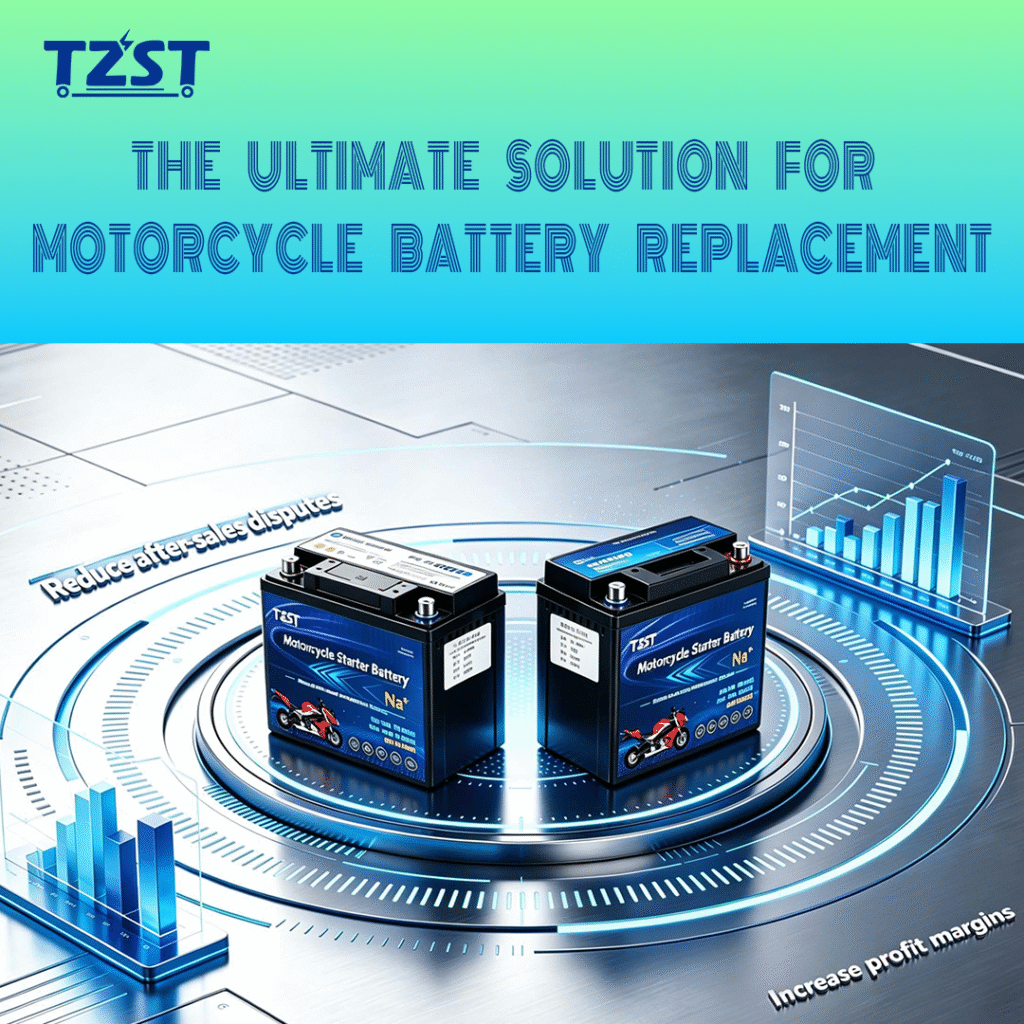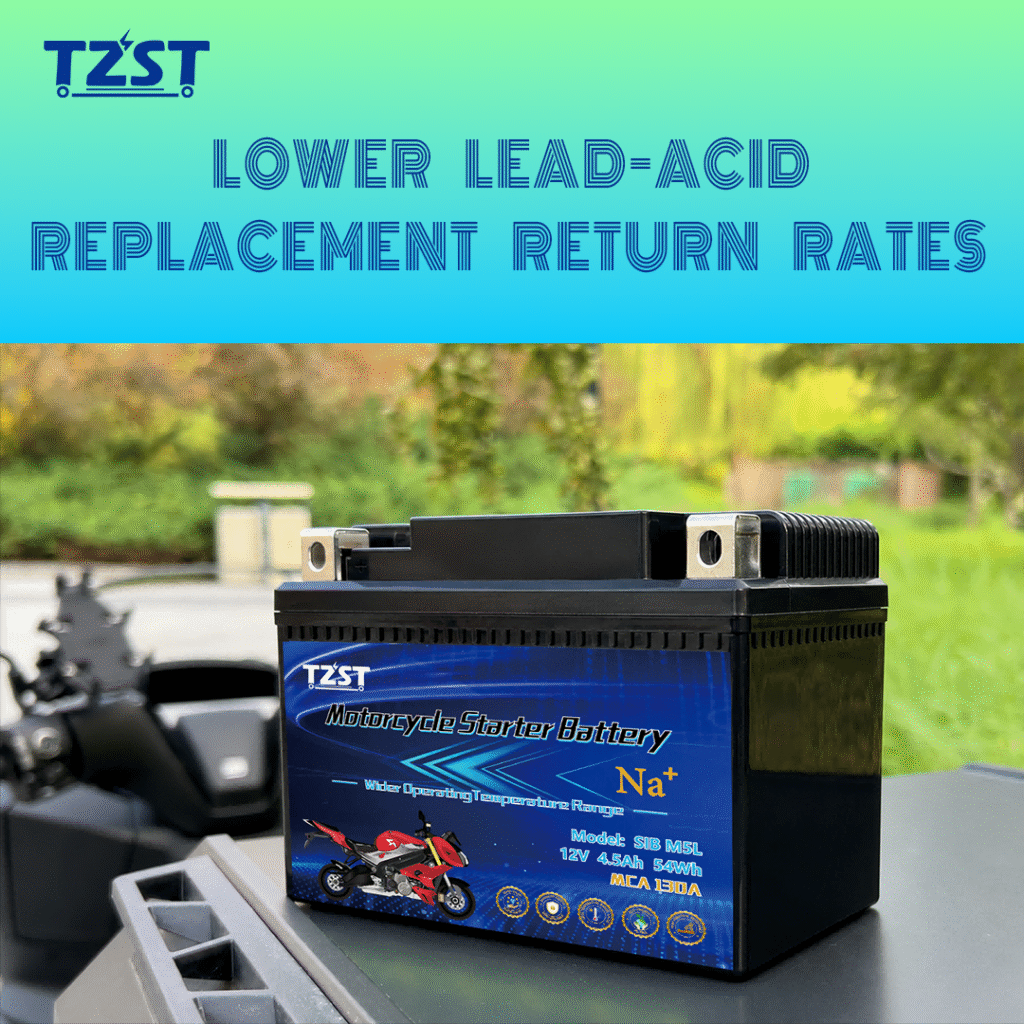
As demand for reliable motorcycle power solutions continues to surge across global markets, particularly in high-temperature, high-humidity regions, stakeholders across the aftermarket supply chain are actively seeking alternatives to outdated lead-acid power units. Boasting outstanding safety, durability and cost-performance, sodium-ion motorcycle battery advantages have made this emerging battery technology a top choice for industry upgrades. The 2025 Southeast Asia Motorcycle Aftermarket Report notes that 68% of battery stockists report consistent complaints about the short service life of lead-acid units, alongside growing pressure to stock differentiated products that stand out from generic market offerings. This shift has driven widespread interest in sodium-ion motorcycle battery technology, which addresses core pain points associated with traditional lead-acid options while delivering measurable performance and operational benefits for all links in the sales chain.
Sodium Ion vs Lead Acid Motorcycle Battery: Performance and ROI Comparison
Understanding Sodium Ion Motorcycle Battery Lifespan vs Lead-Acid Alternatives
One of the most compelling differentiators of new sodium-ion power units is extended sodium ion motorcycle battery lifespan. Data from the 2025 Global Sodium-Ion Energy Storage Industry Whitepaper shows that standard 12V 5Ah sodium-ion motorcycle starter batteries retain 80% of their original capacity after 2,000 full charge-discharge cycles, which is 3 to 4 times longer than equivalent lead-acid batteries that typically degrade to 80% capacity after only 400 to 600 cycles. This extended service life directly reduces replacement frequency for end users, while reducing the volume of product returns associated with premature lead-acid battery failure. The units also operate efficiently across a temperature range of -30°C to 50°C, making them suitable for use in both tropical regions with consistent high heat and cooler mountainous areas that experience periodic low temperatures. Unlike lead-acid batteries that suffer from 30%+ capacity loss in temperatures above 40°C, sodium-ion units retain 92% of their capacity in identical conditions, eliminating the common issue of unexpected startup failure during hot summer months.
Core Sodium Ion Motorcycle Battery Advantages for Stockist and End User Alignment
Beyond extended sodium ion motorcycle battery lifespan, there are multiple high-impact sodium ion motorcycle battery advantages that drive higher customer satisfaction and repeat purchase rates. First, sodium-ion units are 40% lighter than equivalent lead-acid batteries, reducing overall motorcycle weight and improving fuel efficiency by an average of 2% for daily commuter use. Second, sodium-ion batteries reach 90% charge in only 15 minutes when charged with a standard automotive charger, eliminating the lengthy 4 to 6 hour charge time required for lead-acid units. Third, sodium-ion batteries have no risk of acid leakage, even if punctured or damaged during installation or use, eliminating safety hazards associated with lead-acid battery corrosion that damages motorcycle wiring and frame components. When evaluating sodium ion vs lead acid motorcycle battery total cost of ownership over a 3 year period, sodium-ion units deliver 65% lower overall costs for end users, making them a high-value offering that customers are willing to pay a premium for, while supporting higher per-unit margins for stockists.
Streamlining Lead Acid Motorcycle Battery Replacement With Turnkey Operational Support
Simplified Rollout Support for New Sodium-Ion Product Lines
Many supply chain stakeholders hesitate to adopt new battery technologies due to concerns about downstream sales and installation capability gaps, which can lead to slow inventory turnover. To address this barrier, tzst.com provides a complete turnkey support package for all partners stocking our sodium-ion motorcycle batteries, designed to eliminate channel education costs and accelerate product adoption. The support package includes three core components: first, 5-minute QR code accessible installation tutorial videos that guide workshop staff through every step of the replacement process, with no prior experience with sodium-ion technology required. Second, a full sales script handbook with scenario-based responses to all common end user questions about sodium-ion technology, performance, and value, designed to help frontline sales teams clearly communicate product benefits to customers. Third, custom in-store display posters and side-by-side product comparison stands that visually demonstrate the weight, size, and performance differences between sodium-ion and lead-acid batteries, helping customers easily understand the value proposition without extended explanation.This structured support package eliminates the need for stockists to invest internal resources into training downstream sales and installation teams, with 92% of early adopter partners reporting a 70%+ faster sell-through rate for sodium-ion units compared to other new battery SKUs they have introduced in the past 24 months. The tools require no technical expertise to use, allowing even entry-level workshop and retail staff to confidently promote and install sodium-ion batteries from their first day of stocking the product line.
Optimizing Inventory Turnover for Sodium-Ion Battery Lines
For stockists managing lead acid motorcycle battery replacement inventory, the extended service life of sodium-ion units creates a consistent repeat purchase cycle that is predictable and easy to plan for, while reducing the volume of slow-moving inventory associated with low-demand lead-acid SKUs. All tzst.com sodium-ion motorcycle batteries are manufactured to be form-factor compatible with 98% of common motorcycle models on the market today, eliminating the need to stock multiple specialized SKUs for different vehicle brands. This cross-compatibility reduces total required inventory volume by 40% for most stockists, freeing up warehouse space and capital that can be allocated to higher-demand product lines. Data from early partner deployments shows that stockists adding sodium-ion motorcycle batteries to their product lineup see an average 32% increase in per-store monthly battery category revenue within 3 months of launch, driven by higher per-unit margins and increased customer traffic associated with the differentiated product offering.